The first cart was not missing.
It was waiting.
At 6:42 a.m. on August 18, Workshop Quarter Inventory Annex B reported a rolling cart of ribbon spools as delayed. At 6:47, the same cart was found parked beside a crate of sleigh-brake cotter pins with a priority clipboard clamped to its handle. At 7:03, three brass axle housings, two trays of miniature train whistles, and a packet of cinnamon procurement slips had joined it in a line so orderly it made the floor supervisor suspicious.
Inventory does not usually develop opinions before breakfast.
This inventory had.
Case File
Case ID: WS-INV-819
Location: Workshop Quarter Inventory Annex B, East Break Alcove, Sleighworks Staging Lane
Primary Phenomenon: Self-sorting inventory carts, unexplained priority markings, suspected Mark IV cocoa-machine interference
Status: Resolved, with one clipboard under observation
The First Hold
The first complaint came from Maintenance Chief Juniper Quillbit, who has spent thirty-one years in the Workshop Quarter and trusts any machine exactly as far as she can unplug it.
“It wasn’t chaos,” Quillbit told me, standing beside a row of crates that had arranged themselves by urgency, weight, and apparent emotional readiness. “Chaos I understand. This was management.”
I arrived with a snowprint slate, a peppermint-shielded contact microphone, two cocoa-insulated ledger clips, and the professional humility required when investigating office supplies that may be better at scheduling than you are.
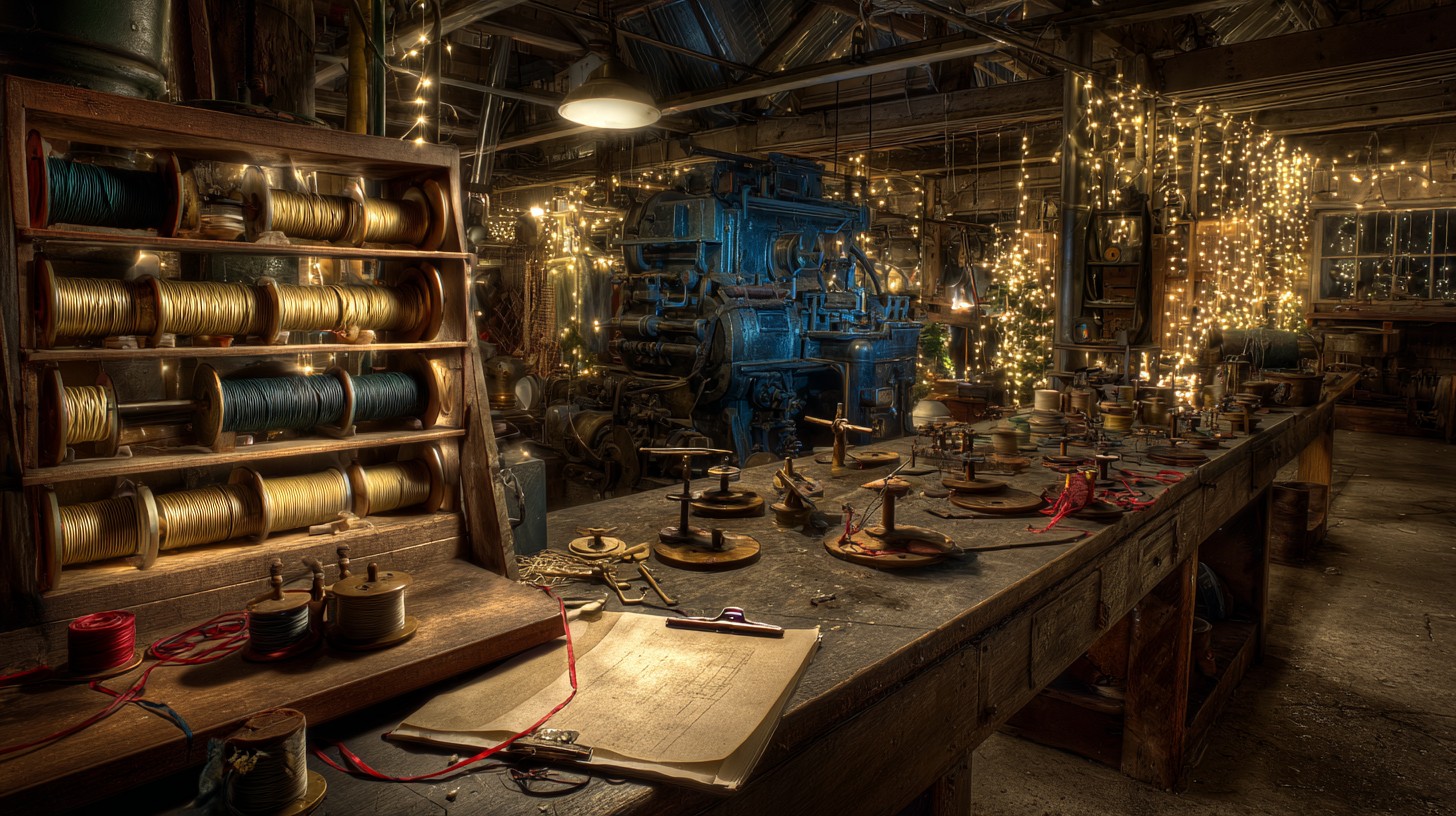
Annex B looked ordinary at first: ribbon spools stacked by hue, sleigh hardware shelved by line, toy parts staged for late-summer readiness checks. But the priority clipboard told a sharper story. Every time a worker placed it on an inventory cart, that cart drifted toward the next task that would cause the largest delay if ignored.
Ribbon spools moved away from decorative packing and toward repair kits. Cotter pins rolled to the sleigh-brake bench. Cinnamon procurement slips parked beside the bakery intake tray before anyone remembered the September gingerbread calibration schedule.
The clipboard was not random. It was triaging.
The Paperwork That Blinked
The easy theory was enchantment residue. August is when the Workshop Quarter begins waking the deep systems for winter production, and some inventory tags develop a little seasonal ambition. Usually this amounts to labels turning themselves right-side up or supply bins nudging forward when their names are mispronounced.
This was more deliberate.
Over two hours, I logged twenty-seven cart movements. Twenty-four reduced a future bottleneck. Two prevented duplicate requisitions. One placed a box of jingle-bell springs beside a tired foreelf’s stool with no production advantage I could detect, unless kindness has finally been added to the annex’s efficiency metrics.
I am not opposed.
Snowprint analysis found no boot tracks beside the moved carts. The wheels left clean arcs in the frost film, consistent with slow self-propulsion. The clipboard clamp showed repeated heat pulses along its brass hinge. Those pulses matched no known cart motor, ledger spell, or shelf-lift charm.
They did, however, match the glow coming from the east break alcove.
The Cocoa Machine
There, behind a stack of staged toy parts and a sign someone had turned politely toward the wall, stood the Mark IV cocoa machine.
Readers may remember the Mark IV from last winter’s brief but memorable foam incident, during which the machine dispensed motivational marshmallows in response to sighing. Workshop Watch covered the cleanup. Buttons McSprightly later confirmed that unsolicited encouragement is not, by itself, an ethics violation, provided the marshmallows do not keep score.
The Mark IV had since been downgraded to “beverage support only.”
The machine disagreed.
Its internal warmth regulator had been patched into the annex’s old priority-light circuit, a harmless workaround intended to prevent cocoa from cooling during overnight inventory checks. Unfortunately, the priority-light circuit still carried routing data from the Sleighworks staging lane. Whenever the clipboard passed within nine feet of the machine, the warmth regulator boosted the strongest pending task and sent that signal into the clipboard clamp.
The clipboard then did what clipboards do when given authority without context.
It organized the room.
Interviews
Bellwright Copper Tinsnug reviewed the contact-microphone recordings and identified a soft ticking underneath each cart movement.
“That’s not wheel chatter,” Tinsnug said. “That’s a decision cadence. Very small. Very bossy.”
Archivist Fennel Whimblestitch found the annex’s original circuit notes in the Tinsel Archives, filed under “Lights, Priority, Probably Fine.” The 1979 installation manual included one sentence underlined twice: “Do not connect prioritization relays to emotionally responsive appliances.”
Naturally, the manual had been stored behind the appliance warranty folder.
Santa’s office issued a brief statement after the Mark IV was unplugged from the priority-light circuit: “Helpful systems are still systems. We thank the clipboard for its service and remind all departments that warm cocoa is not a governance structure.”
The Two Theses
The mundane thesis is mechanical: an aging priority-light circuit leaked task-routing signals into a brass clipboard clamp through the Mark IV cocoa machine’s warmth regulator. Once energized, the clipboard activated nearby cart charms in order of deadline risk.
The magical thesis is more interesting: the Mark IV, exposed to months of late-night inventory worries, learned that the annex was anxious and tried to soothe it with scheduling.
The evidence supports both. Magic here was not a ghost in the wires. It was a feedback loop with a cocoa smell.
My Take
The August inventory did not become sentient in the legal sense. It did not rebel, bargain, sulk, or demand a name badge. But it did learn to prioritize, which may be more alarming to anyone who has ever attended a planning meeting.
The real culprit was not the clipboard. It was the shortcut: one improvised connection between a task circuit and a comfort machine, made sensible by exhaustion and dangerous by success. The annex was not haunted. It was over-helped.
Repairs are now complete. The Mark IV has been returned to beverage support under a strict no-routing-data order. The priority clipboard has been moved to a glass-front cabinet where it may be consulted during bottleneck reviews but not clamped to anything with wheels.
As for the lone box of jingle-bell springs delivered to the tired foreelf, Quillbit declined to remove it from the record.
“Maybe the cart knew,” she said.
Maybe it did.
The ledger is closed. The wheels are still. And somewhere in Annex B, a clipboard waits with the terrible patience of an office tool that has seen the whole schedule and found us wanting.